When does a legacy application need modernizing?
Legacy applications often stay in use because they "still work". But their hidden costs keep growing: manual work, slow changes, and security risks. Here are signs it is time to consider modernizing.
Written by the Mehuli team
01Small changes take a long time
If adding one field or one report takes weeks, the system has become hard to develop. A fast-moving business needs systems that can move with it.
02Lots of work happens outside the system
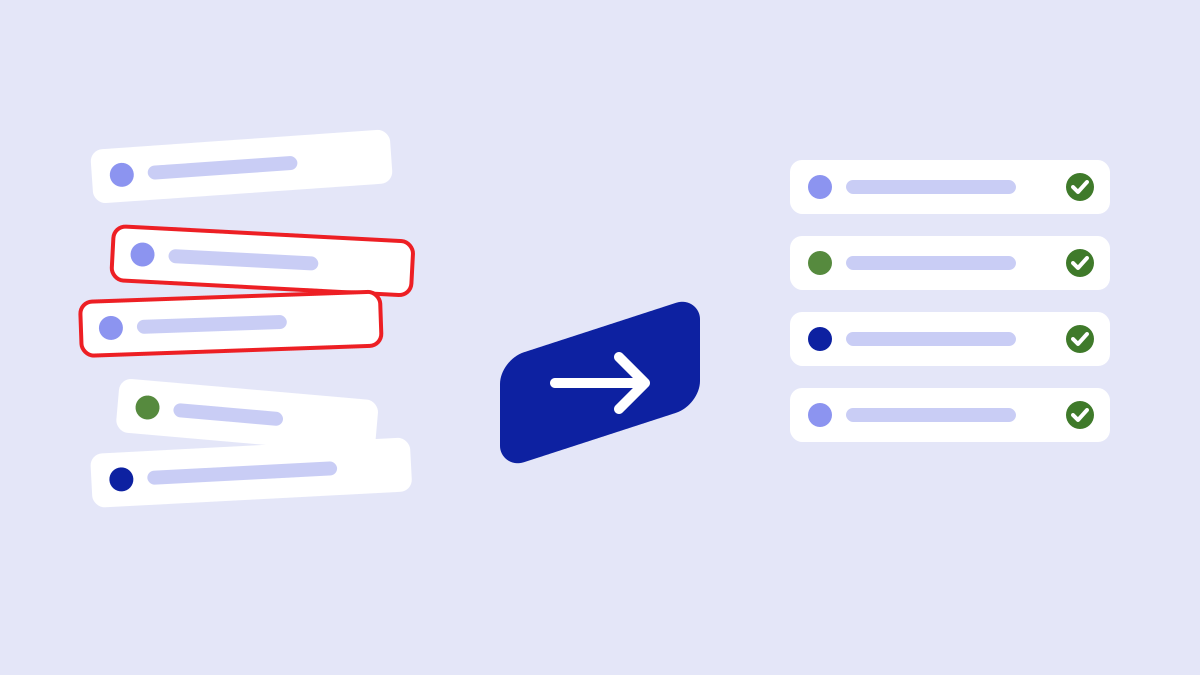
Teams export data to spreadsheets, process it, then enter it back. Work like this is slow and error-prone.
03Hard to connect with other systems
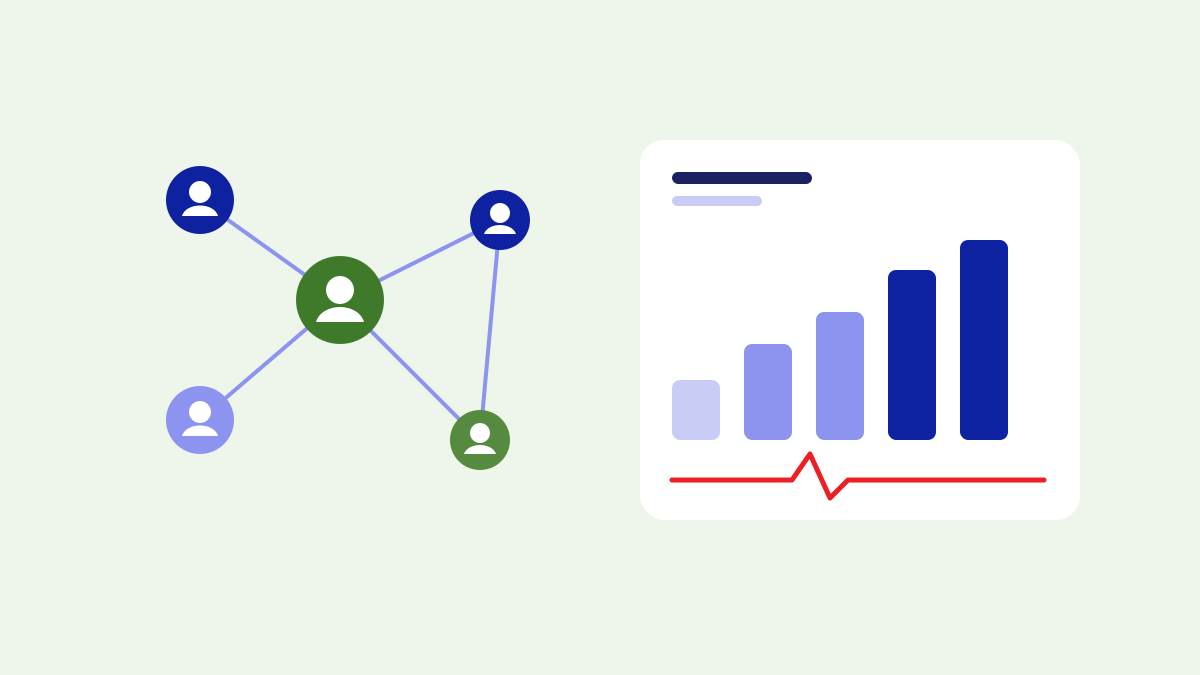
An application that can’t exchange data with other systems leaves data scattered and reports out of sync.
04Only a few people understand it
If only one or two people know how the system works, the business depends on them. That risk often shows only when they are away.
05Modernizing doesn’t have to happen all at once
Modernization can be done in stages: start with the part that holds you back most, while the old system keeps running. This keeps risk and cost down.